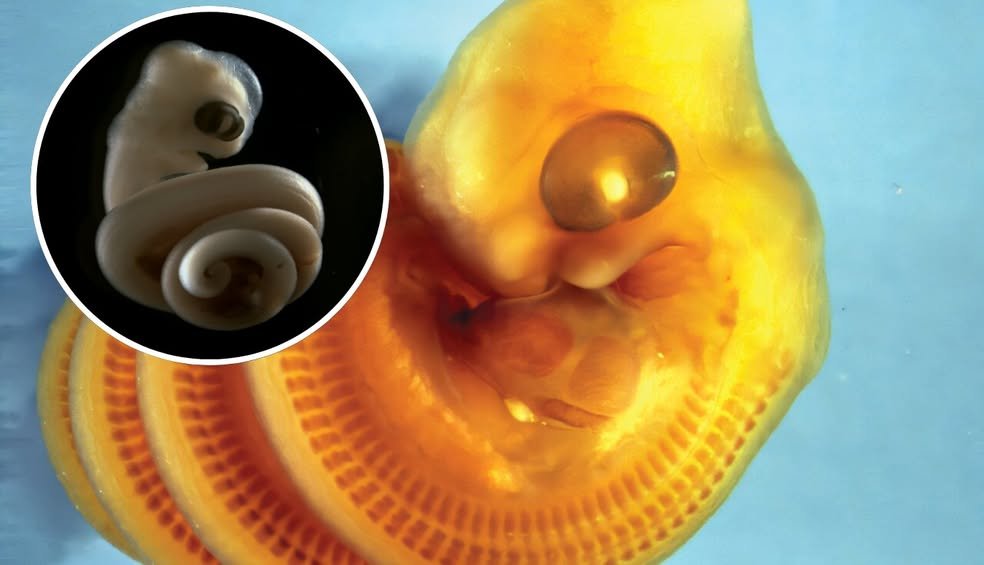
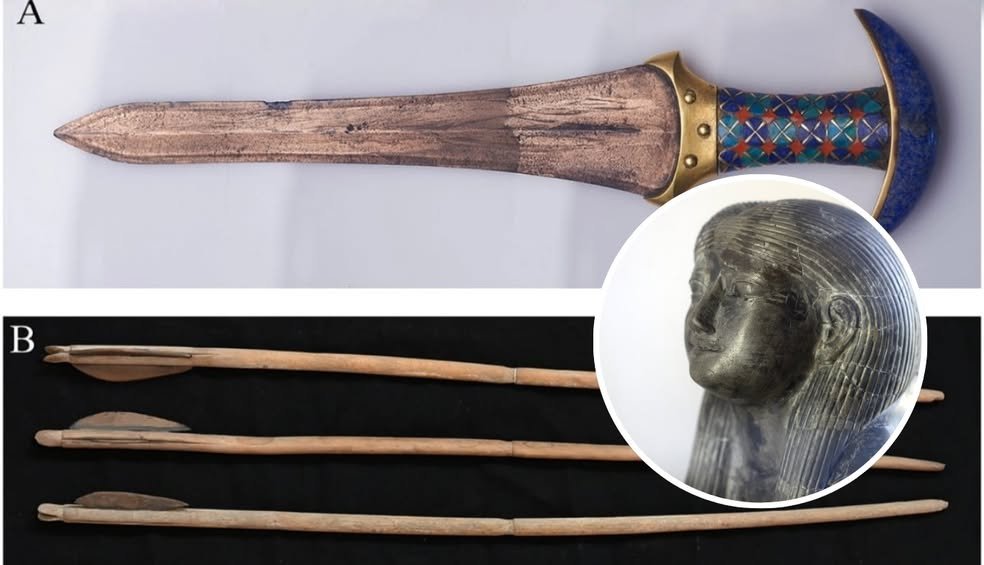
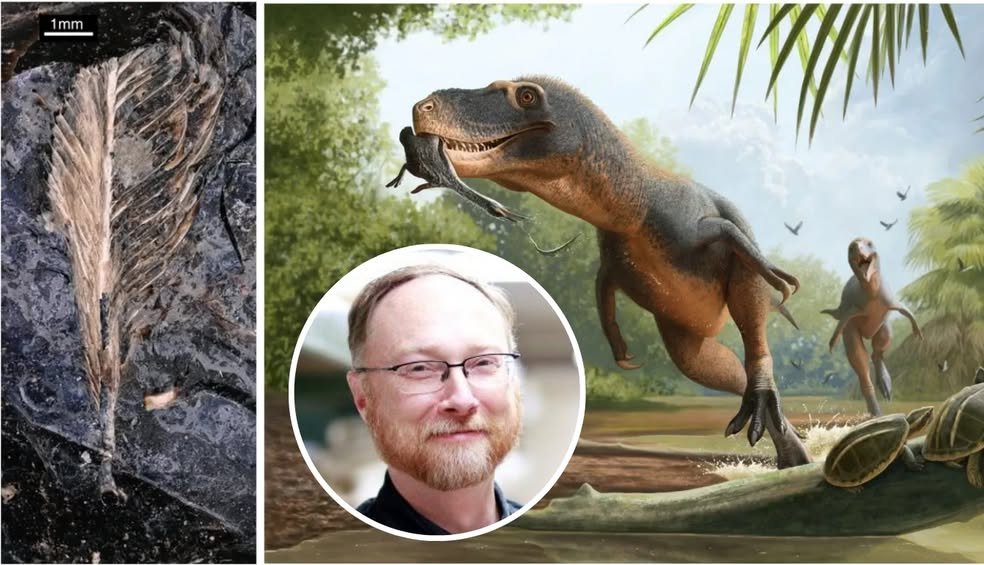
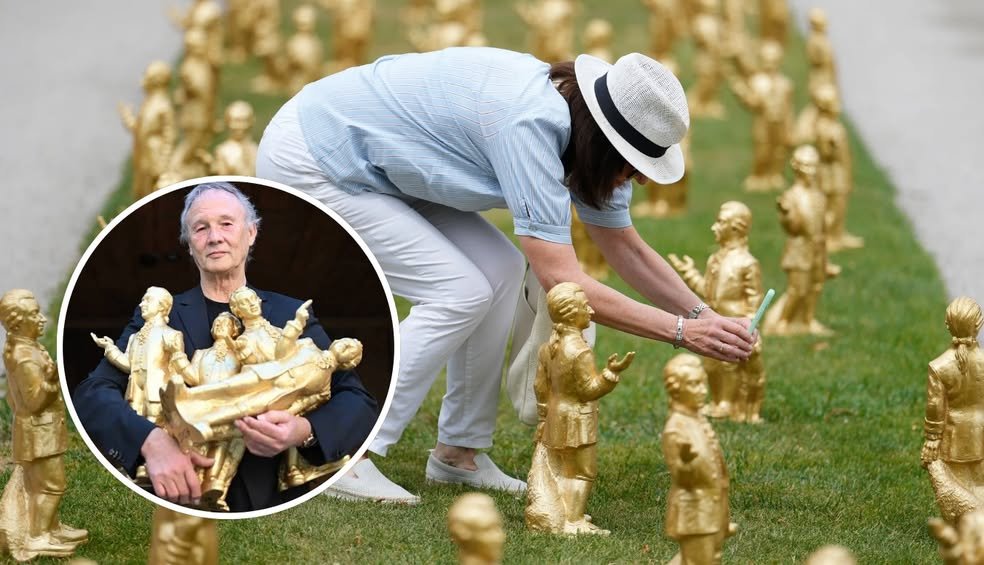
Crack open a snake egg at the right moment and you will find the embryo wound into a neat spiral, tail tucked, body looped around the yolk like a rope coiled by someone who knew what they were doing. Do it again with a different egg, a different species, a different continent, and you get the same spiral wound the same way. Right-handed. Almost always right-handed. People have been noticing this for more than a hundred years, writing it down, photographing it, and then moving on to something else, because nobody had any idea what to do with it.When French archaeologists opened the royal shafts at Dahshur in the 1890s, they found gold, they found lapis lazuli, and they found weapons. A dagger with a decorated hilt lay with a young woman named Ita. Wooden arrows lay with another royal woman called Noub-Hotep. Nobody at the time thought this required much explaining. Grave goods were symbols, and a princess with a dagger meant roughly what a crown on a coffin meant. Everyone moved on, and the bones went into storage.The bonnethead is the shark most people have already seen without knowing it. It is the small one in the shallow bay, three or four feet long, grey on top and pale underneath, with a head shaped like the blade of a garden spade. It is the smallest member of the hammerhead family, harmless to anything bigger than a crab, and common enough along warm coastlines that fishing guides treat it as scenery.David DeMar Jr. was crawling up a rocky outcrop in northeastern Montana, hunting for fossil fish, when he turned over a dark reddish brown nodule about half the size of a golf ball. He put his hand lens to it. Pressed into the surface was a feather.When Marjane Satrapi died in Paris in early June, at 56, the sentence that travelled around the world was not written by a doctor. It came from the people closest to her, passed to the news agency AFP, and it said she had died of sadness, a little over a year after her husband died. The French president’s office confirmed the death. No medical cause was released publicly, and none has been since.There is a job in documentary film that almost nobody outside the industry knows exists, and the people who do it spotted something in a very large corporate merger months before most regulators said a word about it.Here is the strange thing about the records that made Ma Rainey the Mother of the Blues. The louder she sang, the less you could hear.Three hundred and twenty small golden Mozarts were set out around Salzburg last summer. Not on plinths, not behind rope, not up where you have to squint at them. At eye level, in the grass and on the gravel and along the low walls of the Mirabell Gardens, close enough to touch, which was the entire point. Within a few weeks about two hundred and ten of them were gone.A computer listened to eighty four hours of jazz piano and learned to tell the players apart. Not by the sound of the room, not by the hiss on the tape, not by the label on the record. By the notes themselves. Hand it a stretch of improvising it has never heard before, and about nineteen times out of twenty it will correctly name which of twenty pianists is sitting at the keyboard.When the last chord of the last opera died away in Wagner’s own theatre, the audience stood up and applauded the singers and the conductor for about seventeen minutes. Then the people responsible for what everyone had been looking at came out to take their bow, and for roughly half a minute the same room whistled and booed them off. Same night. Same curtain call. Same crowd. The audience had somehow managed to split its verdict cleanly down the middle of a single production, cheering the humans making the sound and rejecting the machine making the pictures.In a deconsecrated church in a small German town, a room full of strangers paid for a seat, stood in the cold, and waited for one note to show up. When it finally did, it took about a second to settle into the air. Nothing else happened. People filmed it on their phones, hugged, and went home.